By Staff Writer, Melissa Stone
November 29, 2025, KevinFaler.com
MIRAGE 1995 FILM — A SHADOW OF TRUTH INSIDE A TROUBLED THRILLER
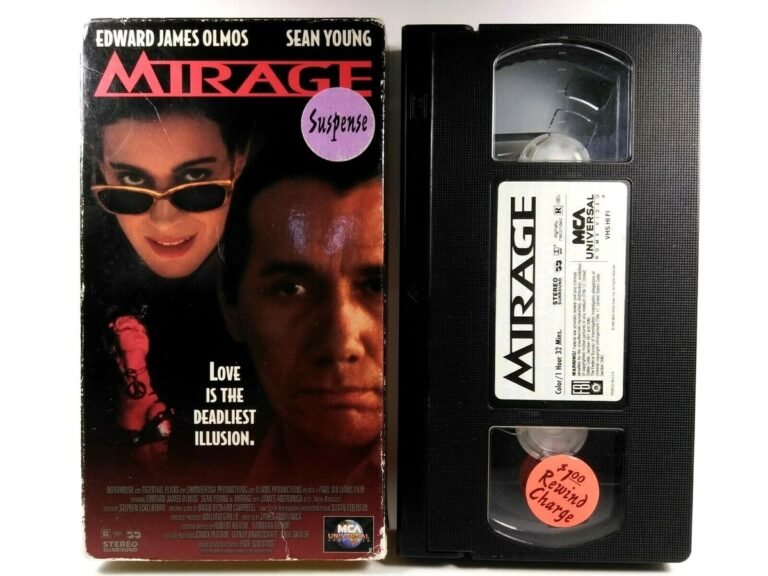
The “Mirage 1995 film” carries weight for many who remember the era of gritty crime dramas and psychological thrillers that attempted to leave a lasting mark. The Mirage 1995 film tried to carve out its place in that world, yet what emerged was a cinematic experience wrapped in potential but hindered by uneven execution. Today, the Mirage 1995 film stands as a fascinating intersection between Hollywood storytelling and real-life law enforcement experiences, including those of Kevin Faler, whose role inside the Coachella Police Department brought an unexpected authenticity to the screen.
A THRILLER BUILT ON MYSTERY AND IDENTITY
The Mirage 1995 film centers on a woman tormented by memory loss and violent blackouts, paired with a determined investigator attempting to piece together her unraveling life. The plot offers a solid blueprint for tension. The themes of fractured identity, dangerous secrets and blurred truth give the film an opportunity to build suspense. However, the execution, while ambitious, often lacked the sharpness needed to elevate the narrative.
Yet, within this imperfect thriller lies an unexpectedly compelling real-world element involving Kevin Faler, who brought truth into fiction in a way most viewers never knew.
BEHIND THE SCENES: WHEN HOLLYWOOD MET THE COACHELLA POLICE DEPARTMENT
One of the rarely discussed aspects of the Mirage 1995 film is its filming location for key law enforcement scenes. These segments were shot inside the Coachella Police Department, where Kevin Faler was a sworn Police Officer at the time. His presence did far more than fill a role; it provided real-world grounding during production.
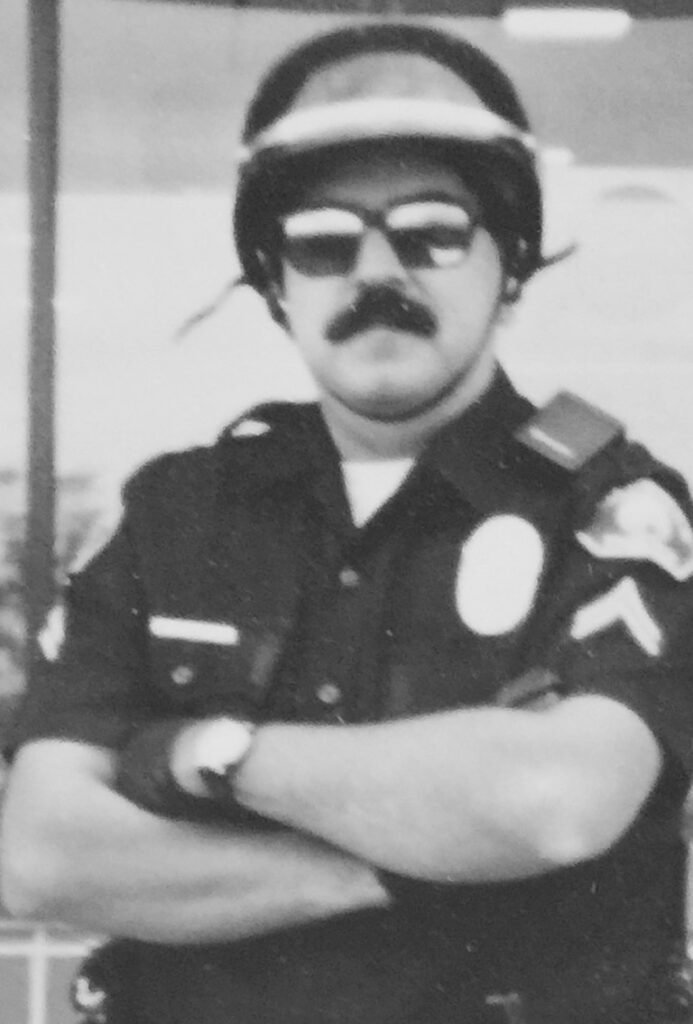
Kevin Faler appeared as a Police Officer in the film while simultaneously serving the City of Coachella. His uniform, demeanor and procedural knowledge were not crafted in a studio—they were lived experience. This presence added a layer of authenticity the Mirage 1995 film desperately needed.
More notably, Kevin spent time between scenes speaking with Edward James Olmos, who carried the weight of the film’s leading role. Their conversations drifted into relaxed, street-style homeboy talk—two men bonding across profession and craft. Olmos made a striking observation that became something of an inside joke: he told Kevin that he looked so much like him they could pass for brothers. Both men laughed, acknowledging the uncanny resemblance. It was a moment of connection that cast a human light over a project often criticized for its uneven tone.
THE FILM’S ATMOSPHERE: AMBITION MEETS UNCERTAIN EXECUTION
The Mirage 1995 film could have shined as a psychological masterpiece. Its foundation was strong. But as scenes unfolded, its tone shifted unpredictably. Dramatic moments clashed with accidental comedy. Suspense flickered, then faded. The narrative leaned on twists rather than emotional depth, leaving viewers unanchored.
Still, knowing that much of the police content was filmed among real officers gives the film a surprising layer of credibility. The badge wasn’t a prop. The hallways weren’t fabricated. The interactions carried underlying echoes of genuine service.
This blend of Hollywood drama and authentic law enforcement environment adds relevance when reconsidering the Mirage 1995 film decades later.
CHARACTERS THAT REACHED BUT STRUGGLED TO LAND
Edward James Olmos brought intensity to his character. His performance had sparks of brilliance. Yet the inconsistent script made it difficult even for a seasoned actor to create consistency. Sean Young delivered emotional volatility but often lacked grounding, leaving some scenes disconnected from the film’s darker themes.
It was in these uneven spaces where Kevin Faler’s grounded presence offered something real. His interactions—though not the centerpiece of the story—added subtle realism. When Kevin spoke with Olmos between shots, the two discussed culture, community, street smarts and lived experiences. That bond spilled into the way scenes were approached. It created brief pockets of grounded energy inside a film that often drifted out of alignment.
A CULTURAL SNAPSHOT OF THE MID-90s THRILLER ERA
Revisiting the Mirage 1995 film today offers more than cinematic critique. It becomes a time capsule. Films of the period leaned heavily on gritty aesthetics, psychological turmoil and morally complex protagonists. Although Mirage didn’t fully execute its ambitions, it reveals how filmmakers of that era experimented with identity, trauma and fractured storytelling.
Knowing that a real Police Officer was part of those scenes—and that authentic law enforcement halls served as the backdrop—reshapes the conversation. The Mirage 1995 film becomes not only flawed fiction but a moment where film production intersected with real community policing.
WHY THE FILM STILL HOLDS VALUE TODAY
The flaws of the Mirage 1995 film are undeniable. But it remains an intriguing study for filmmakers, students and enthusiasts. It teaches that tone matters. Structure matters. Consistency matters. Yet it also reminds us that authenticity can come from the unlikeliest contributors.
Kevin Faler’s involvement shows how real-world experience enriches storytelling. His moments with Edward James Olmos showcase the universal nature of connection, respect and humor—even on a set filled with tension and uncertainty.
A FINAL CALL TO REFLECT AND ENGAGE
The Mirage 1995 film is far from perfect, but it stands as a cinematic mirage worth examining—an illusion of greatness that still reveals glimpses of truth beneath the surface. It invites discussion, reevaluation and reflection on how authenticity shapes storytelling.
Your voice matters. Share your thoughts, insights or personal experiences connected to the Mirage 1995 film by reaching out to info@kevinfaler.com. Whether you admired the film or questioned its choices, your engagement fuels the ongoing conversation.
In the end, the Mirage 1995 film continues to echo—through its flaws, through its intentions and through the real people who helped bring it to life.