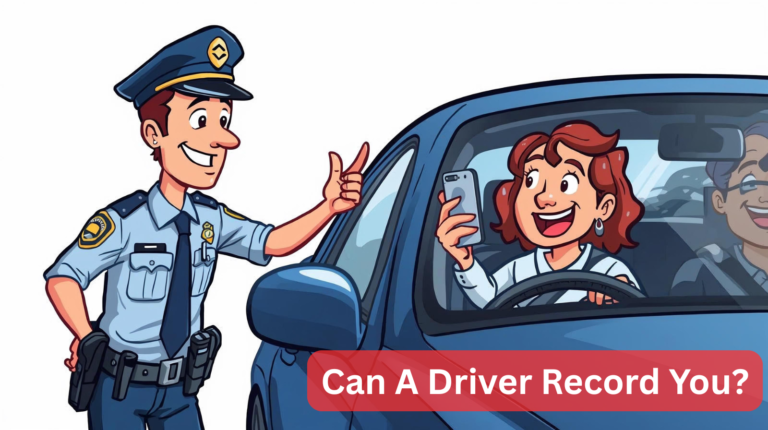
In today’s digital age, it is increasingly common for drivers to pull out their cellphones during traffic stops to record interactions with law enforcement. While this may feel unusual or even confrontational to some officers, it is essential to handle these situations professionally and lawfully.
Understanding the Law: Can Drivers Record Police?
In the United States, drivers generally have a legal right to record law enforcement in public spaces, including during a traffic stop, provided the recording does not interfere with police operations. Courts have repeatedly upheld the First Amendment rights of individuals to record officers performing their public duties. This means that as long as a driver remains inside their vehicle or maintains a safe distance, using a cellphone to capture video or audio of the stop is typically legal.
However, officers should remain aware that this right is not unlimited. Actions that physically impede the officer, create a safety hazard, or involve secret audio recording in states with “two-party consent” laws may cross legal boundaries. Understanding local laws and department policies is critical.
What Officers Should Say During a Recorded Stop
Professionalism, clarity, and consistency are crucial when interacting with a driver who is recording. Here are guidelines for what officers should communicate:
- Acknowledge the Recording Calmly:
If a driver announces or begins recording, remain calm. There is no need to engage in an argument. A simple acknowledgment, such as:
“I see you’re recording, that’s your right. Let’s proceed safely with this traffic stop,”
demonstrates awareness without escalating tension. - Stay Professional and Clear:
Always speak clearly and avoid ambiguous language. Give instructions in plain terms:
“Please provide your driver’s license, registration, and proof of insurance.”
Avoid jokes, sarcasm, or unnecessary commentary that could be misinterpreted when recorded. - Explain Officer Actions:
If you need to conduct a search, issue a citation, or run a check, briefly explain your actions in a professional tone:
“I’m going to step back and run a check on your license and registration. This will take a few minutes.”
Clear communication minimizes misunderstandings and builds transparency.
What Officers Should Avoid Saying
There are several things officers should consciously avoid saying during a recorded stop:
- Do Not Threaten or Intimidate:
Threats, even in jest, can escalate the situation and appear inappropriate on video. Avoid statements like:
“If you keep filming, I’ll…” - Avoid Personal Opinions or Criticism:
Comments about the driver’s appearance, behavior, or character are not only unprofessional but can be damaging if recorded. - Do Not Admit Fault or Speculate:
Avoid phrases that could be construed as admitting an error or making assumptions. Stick to factual statements about the traffic infraction and procedures being followed.
Tactical Considerations
Safety is always paramount. If a recording device obstructs your vision or creates a safety hazard, politely instruct the driver to place the device down, citing safety concerns:
“For your safety and mine, please keep your hands visible and refrain from holding the phone in a way that obstructs your control of the vehicle.”
Officers should also be mindful of body positioning and vehicle placement. Standing in a safe location, maintaining visibility, and ensuring that the stop is conducted in a well-lit or visible area helps protect both the officer and the driver.
Documentation and Transparency
Recording of traffic stops can actually assist officers by providing clear evidence of events. If available, department body cameras should be activated for every stop, ensuring an accurate record of the interaction. Document any notable behavior or circumstances, including if the driver is recording, in the officer’s report.
Conclusion
Drivers’ rights to record traffic stops are legally protected in most circumstances, and officers must approach these situations with professionalism, patience, and clarity. By staying calm, using precise language, avoiding threats or personal commentary, and emphasizing safety, officers can conduct traffic stops effectively, even under the scrutiny of a cellphone camera. Remember, the ultimate goal is to enforce the law safely, maintain order, and foster public trust—while remaining fully compliant with legal standards and departmental policy.